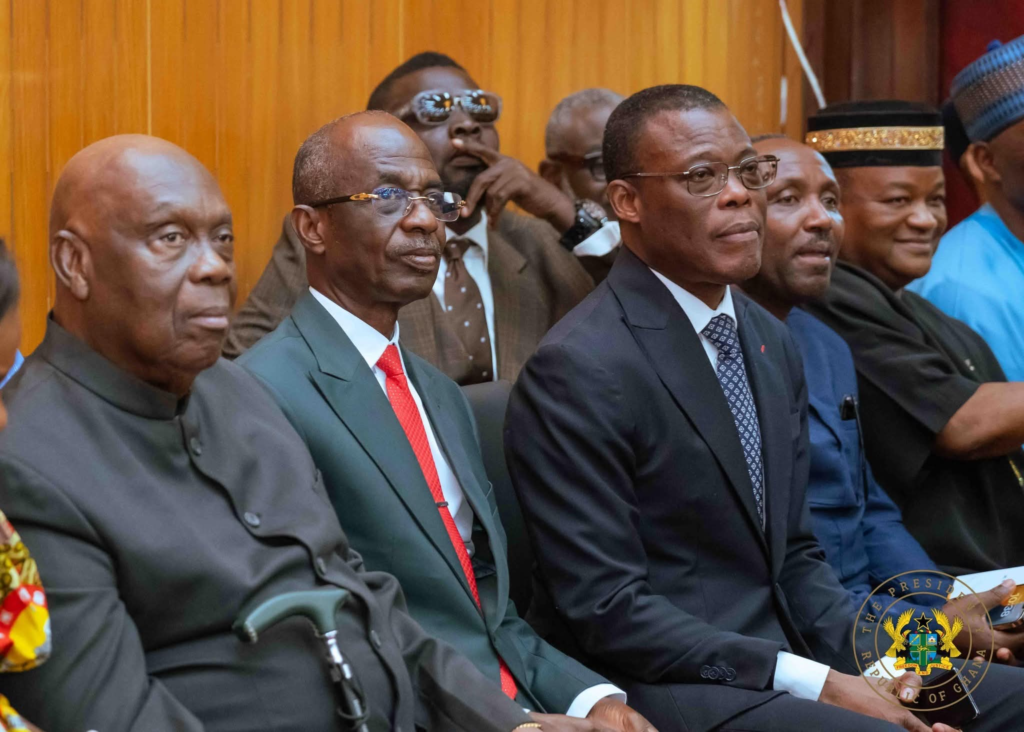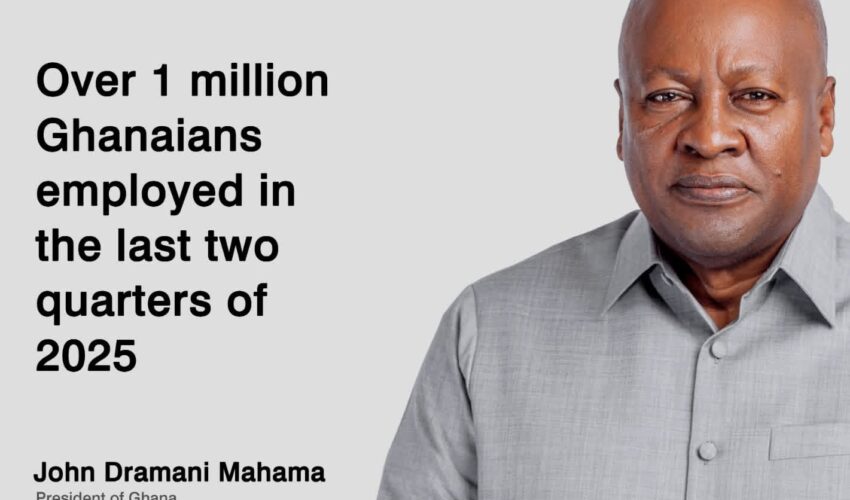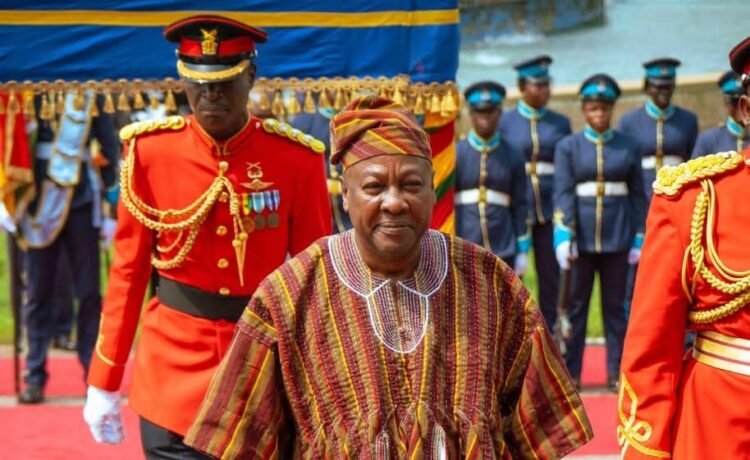
President John Dramani Mahama delivered his 2026 State of the Nation Address to Parliament on February 27, declaring that Ghana’s international credibility has been “fully restored” following a year of painful fiscal reforms. Presenting what he termed a “psych-defining moment” for the nation, Mahama highlighted that Ghana’s GDP is projected to reach $113 billion—placing it among Africa’s top 10 largest economies—while inflation has dropped from 23.5% to 3.8%, the lowest in five years . He announced that the cedi had appreciated by over 40% against the dollar and that Ghana had received its first triple credit rating upgrade in years. Beyond the economic numbers, the President unveiled a $50 million seed fund for the National Vaccine Institute to achieve “health sovereignty,” massive expansions in STEM education including AI training at basic levels, and a promise to end erratic power outages through aggressive renewable energy investments .
The celebratory tone of the address was dramatically interrupted by Minority Members of Parliament who stormed the chamber wearing black sashes reading “Yayɛ Mobɔ” (We are sad) and brandishing cocoa pods in protest. Led by Minority Leader Alexander Afenyo-Markin, the opposition NPP caucus sought to highlight what they described as the “cocoa haircut”—a 28.6% reduction in the farmgate price to GH¢2,587 per bag—coupled with rising utility tariffs that they argued contradict the government’s optimistic narrative. Unfazed, President Mahama fired back, insisting his government inherited a “severely crisis-ridden economy” and that the path to stability required tough decisions. With the House visibly divided—the Majority dressed in white celebrating progress and the Minority in black mourning policy pains—Mahama used the platform to also call for greater African unity, arguing that in a world in “profound flux,” Ghana’s prosperity is inseparable from the continent’s strategic self-reliance .